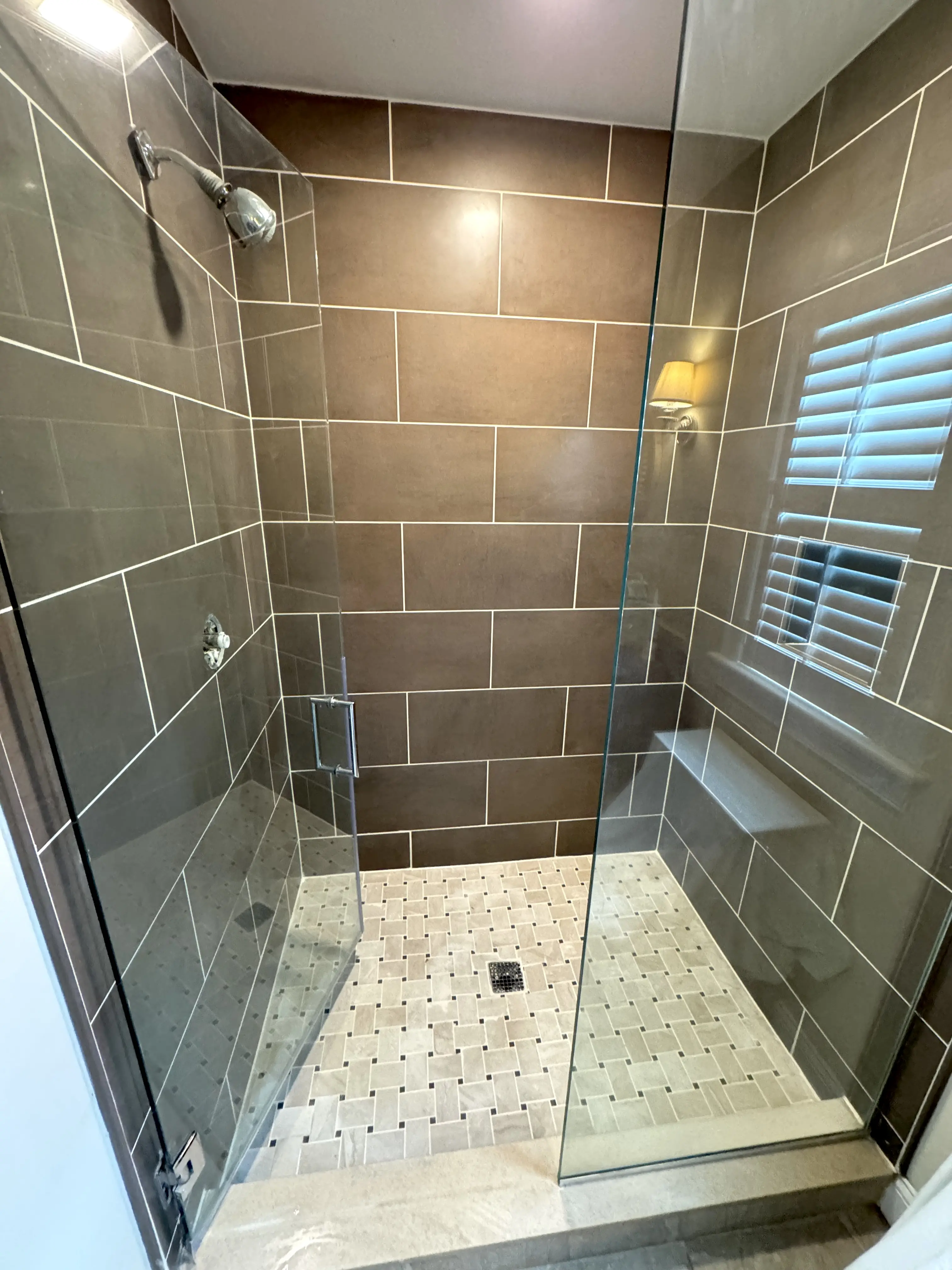
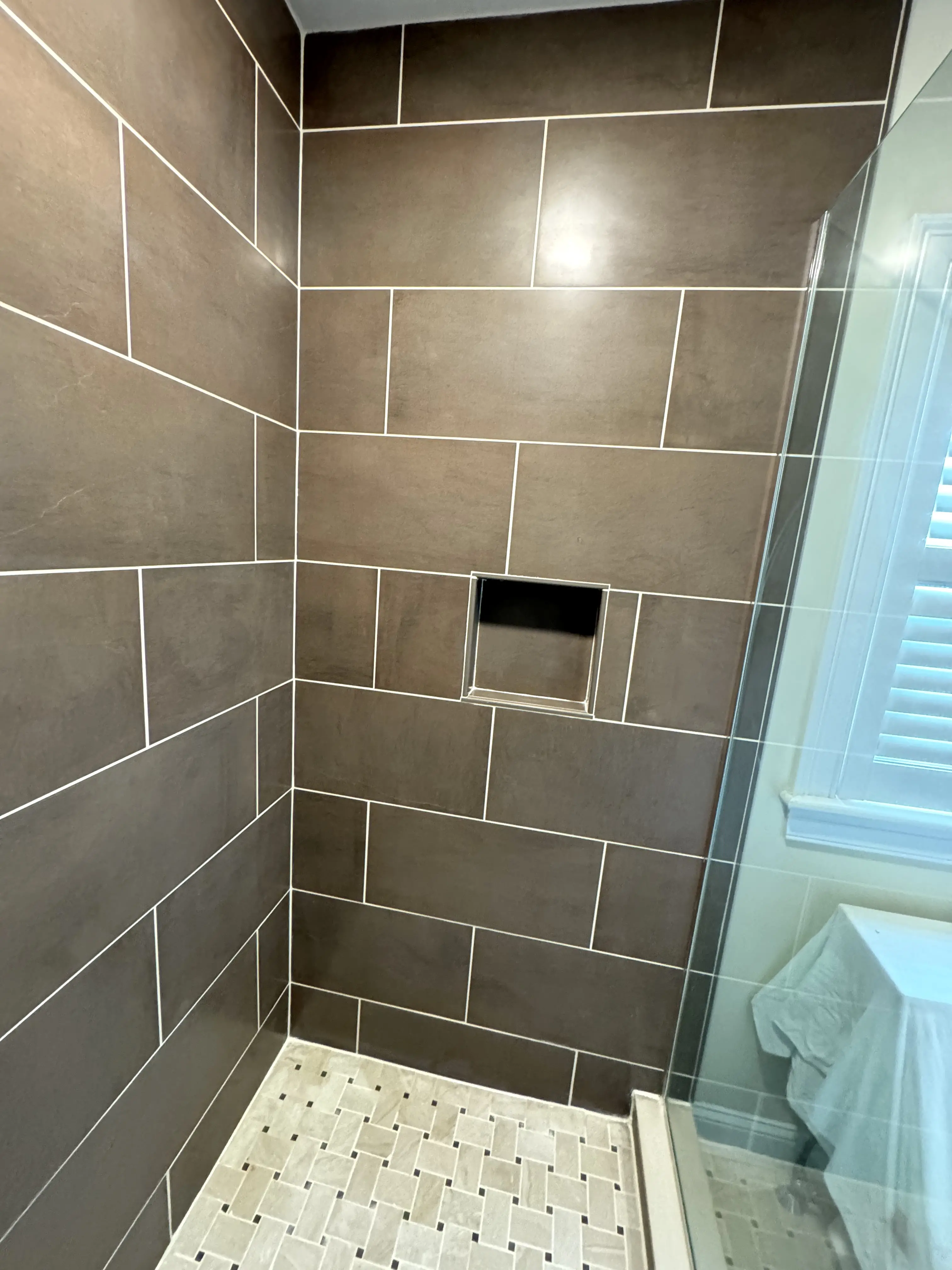
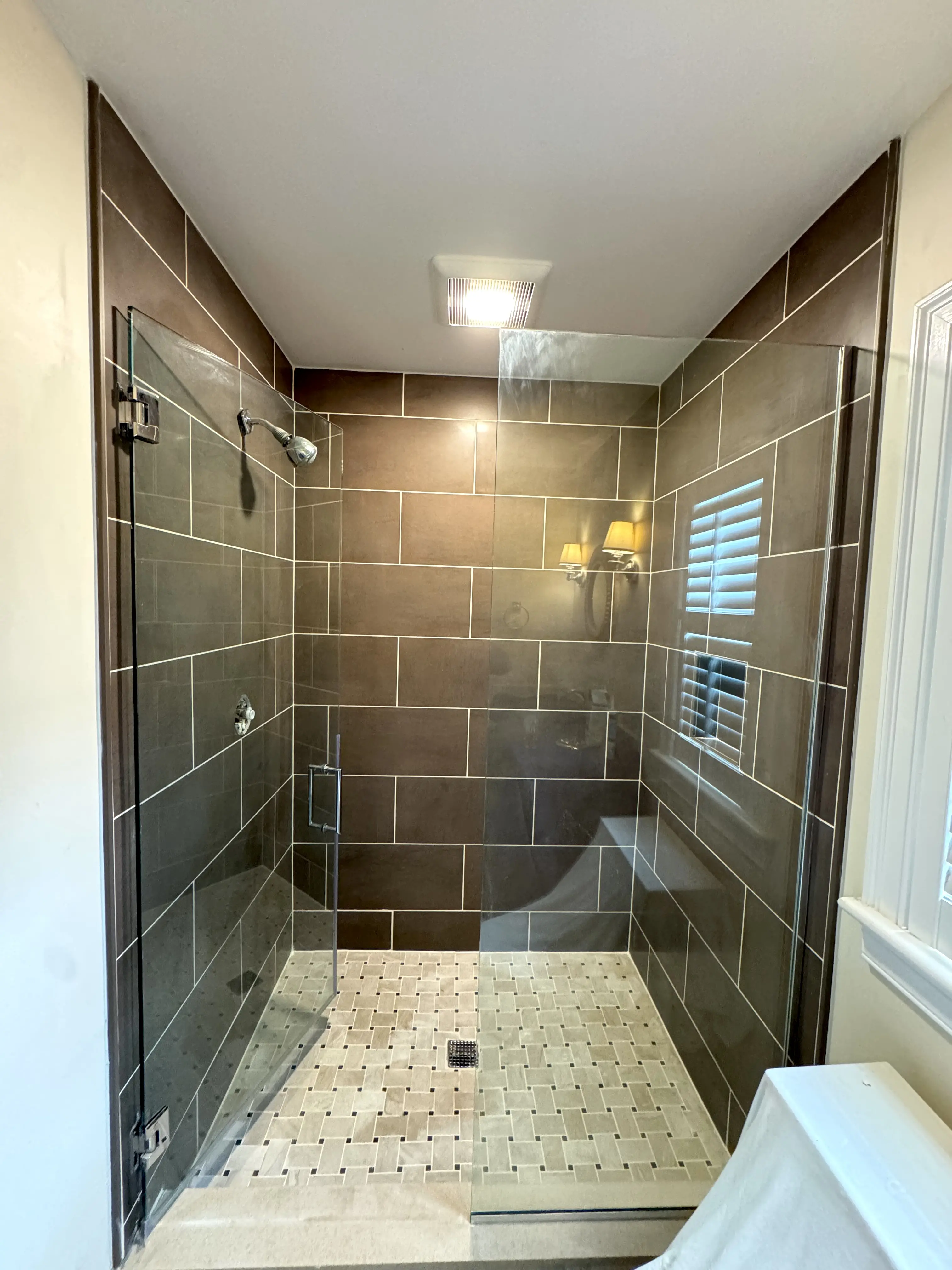
Cracked tile
An isolated cracked tile may be replaced after reviewing impact, movement, substrate condition, surrounding joints, and matching material availability.
Cape Cod Tile Repair
Replace cracked, chipped, hollow, or loose tile without rebuilding the entire room whenever a localized repair is practical.
OB Remodeling repairs damaged tile in showers, bathroom floors, kitchen floors, backsplashes, and other tiled surfaces throughout Cape Cod. Every repair begins by determining why the tile failed before recommending replacement.

Replacing one damaged tile is sometimes possible—but not every installation is a good candidate.
Cracked tile, loose tile, hollow tile, chipped tile, or missing tile can result from impact, insufficient coverage, movement, moisture, or damage below the finish. Suitable tile repair may replace the visible damage while preserving the stable surrounding installation.
Tile replacement, shower tile repair, and floor tile repair are practical only when the accessible substrate and surrounding assembly remain serviceable. If the damaged tile is a symptom of substrate failure, water damage, movement, or failed waterproofing, localized replacement may not provide a reliable long-term result.
The written estimate defines the repair area, available replacement material, preparation, and known matching limitations.
Localized replacement begins with determining why the tile failed and whether surrounding construction can remain. Optional material searches, waterproofing, grout, silicone, or substrate work is listed separately when it is practical and included in the approved scope.
Inspect damaged tile, surrounding joints, movement, moisture indicators, access, replacement material, and visible conditions to determine whether localized repair is practical.
Evaluate whether impact, poor coverage, substrate movement, moisture, or another visible condition may have caused the cracked, hollow, or loose tile.
Protect adjacent finishes and remove approved damaged tile and failed setting material while limiting disturbance to surrounding tile where reasonably practical.
Clean and prepare the accessible repair area, completing approved localized substrate work needed to support the selected replacement tile.
Fit and install available replacement tile with suitable setting material, coverage, alignment, joint spacing, cuts, edges, and surrounding finish coordination.
Complete approved grout and sealant details, clean repaired surfaces, remove debris, and review curing guidance, matching differences, and documented limitations.
Use suitable owner-provided attic stock when available, verifying size, thickness, finish, condition, and compatibility with the existing installation before replacement.
Review available replacement options when original tile is unavailable, recognizing that discontinued products, production batches, age, and wear can prevent exact matching.
Complete limited approved waterproofing work only when the accessible assembly and selected repair method can provide a suitable, manufacturer-compatible detail.
Replace approved flexible sealant at suitable corners, fixtures, curbs, transitions, or changes of plane affected by the localized tile repair.
Repair approved nearby failed grout joints when surrounding tile remains stable and the deterioration does not indicate a broader assembly problem.
Complete approved accessible substrate repairs beyond the immediate tile location when conditions remain localized and broader reconstruction is not required.
Five focused stages from inspection through replacement, grout, and final cleanup.
Review the damaged tile, surrounding installation, access, moisture indicators, movement, replacement material, matching expectations, and practical repair limits.
Protect adjacent finishes and carefully remove the approved damaged tile and failed setting material while limiting unnecessary disturbance.
Clean and evaluate the exposed area, then complete approved localized substrate or waterproofing preparation suitable for the planned replacement.
Install the available replacement tile with planned coverage, alignment, joint spacing, cuts, edges, and coordination with surrounding finishes.
Complete approved grout and silicone, clean the repaired surface, inspect the finished area, and review curing guidance and matching limitations.
We'll inspect the damaged area and recommend the most practical repair.
Repair Planning
Replacement material, construction behind the tile, moisture conditions, and matching expectations can change the practical repair approach.
The visible damage is only one part of a tile repair. Controlled removal exposes conditions that may confirm a localized solution or reveal the need for broader corrective work.
Owner-supplied spare tile provides the best opportunity for a close match; discontinued products may require an intentional alternative.
Weak, moving, deteriorated, or improperly prepared backing can make replacing only the visible tile an unreliable repair.
Staining, softness, swelling, recurring moisture, or damaged framing may require opening and correcting more of the assembly.
Existing grout changes with age, wear, moisture, and cleaning, so a new joint may remain visibly different.
Larger tile can be more difficult to remove without disturbing adjacent pieces and requires suitable support, coverage, handling, and alignment.
Removing shower tile can affect the membrane behind it, and some waterproofing systems cannot be reliably patched through a limited opening.
Each damaged area is evaluated to confirm whether a controlled localized repair is practical before replacement work begins.
An isolated cracked tile may be replaced after reviewing impact, movement, substrate condition, surrounding joints, and matching material availability.
A loose tile may be repairable when bond loss is localized and the supporting surface remains stable, dry, and suitable.
Hollow-sounding tile can indicate incomplete coverage or loss of bond and requires evaluation before recommending removal or continued service.
Noticeable chips may justify replacement when a compatible tile is available and controlled removal will not create unnecessary surrounding damage.
Failed grout beside a damaged tile may be included when the joint condition is localized and does not reflect broader movement.
Limited damage can be a good repair candidate when adjacent tile, substrate, waterproofing, and the overall installation remain serviceable.
When damage is isolated and the surrounding assembly remains stable, targeted replacement can preserve an otherwise serviceable installation.
A suitable localized repair can cost less than replacing the complete tiled surface when damage and preparation remain limited to one area.
Targeted replacement keeps stable surrounding tile, trim, fixtures, and finishes in place when the complete assembly does not require reconstruction.
Isolated tile repair generally requires less time than removing and rebuilding an entire floor, wall, backsplash, or shower assembly.
Controlled removal limits disruption to the approved repair area when surrounding tile, substrate, and waterproofing remain suitable to stay in place.
A completed localized shower joint and tile restoration from the existing OB Remodeling portfolio.
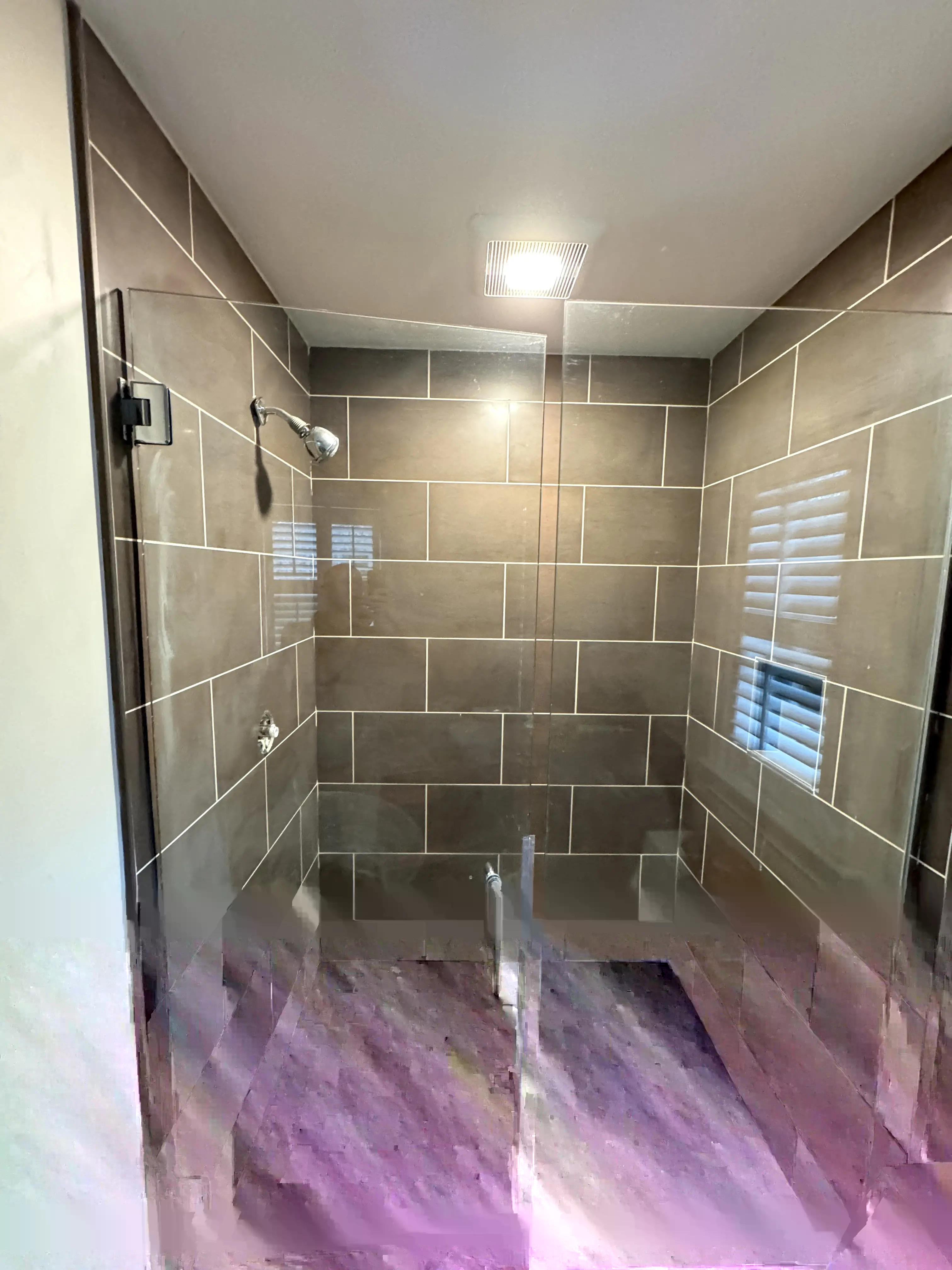
Serving homeowners throughout Barnstable County.
Repair suitability and project availability are reviewed for tiled surfaces across Cape Cod. Explore nearby service-area pages and request a written evaluation for your property.
Common questions before replacing cracked, loose, chipped, hollow, or otherwise damaged tile.
Often, if replacement material is available and the surrounding tile, substrate, and any waterproofing are stable enough for controlled localized removal.
Owner-supplied spare tile offers the best match. New production batches, age, wear, light, and cleaning can still create visible color or texture differences.
We can review available alternatives, but an exact match may not exist. Options may include a compatible contrasting tile or a broader intentional replacement area.
Sometimes. A localized repair may work when surrounding tile and subfloor remain stable and the loose tile does not indicate widespread movement or bond failure.
It depends on access, tile availability, substrate condition, and whether the waterproofing can remain intact or receive a reliable compatible localized repair.
Spare tile is strongly preferred because original products may be discontinued and current production can differ in dimensions, thickness, shade, texture, or finish.
An invisible repair cannot be guaranteed. Tile batches, grout color, aging, wear, lighting, and the limits of controlled removal may remain noticeable.
Broader replacement may be recommended when damage is widespread, tile is moving, the substrate has failed, moisture damage is present, or waterproofing cannot be reliably repaired.

Our work speaks through the words of our clients
Request a written evaluation before replacing the entire installation.